
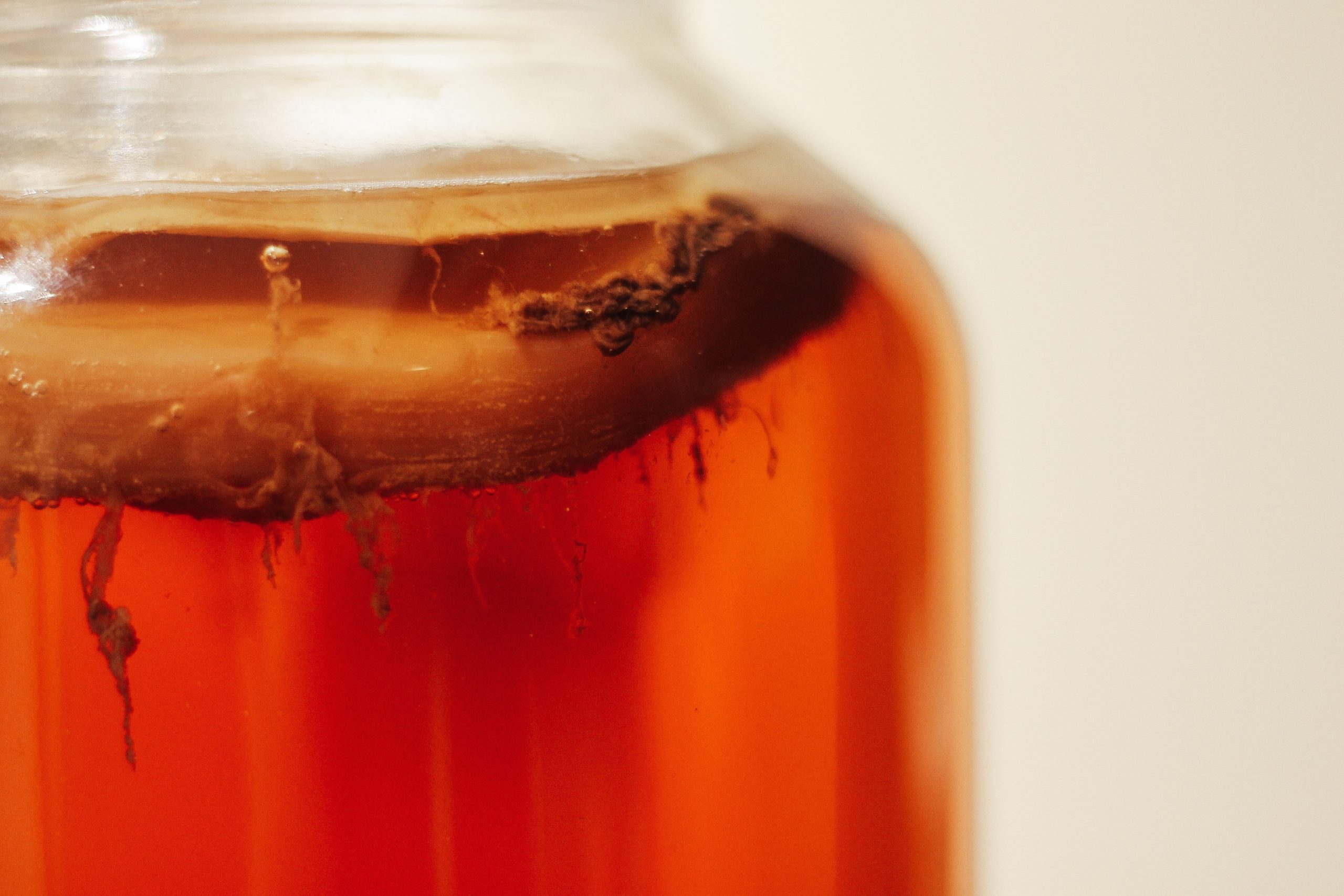
If you’ve ever enjoyed a cool beer on a warm day, eaten yogurt, or sliced through a fresh loaf of sourdough bread as you make breakfast, you’ve enjoyed the results of the fermentation process. This is because fermentation has a pretty big role in our everyday lives, whether we’re aware of it or not. In fact, tiny microorganisms (such as yeast) or strains of bacteria (such as E. coli) are used to transform raw ingredients with starches and glucose in them into the delicious eats and drinks we enjoy. You can be a home fermenter by working on a sourdough starter in your kitchen. Still, if companies and businesses want to benefit from the natural wonders that fermentation techniques provide, they’ll need to look to biotechnology experts and industrial fermentation facilities.
You can think of an industrial fermentation facility like a huge version of your bowl at home with the sourdough starter in it. The major difference (beyond scale) is the risks involved. When the biomass in your sourdough dies, you can tell right away and throw it out. When biotechnology professionals take the fermentation of large volumes of materials upon themselves (whether they’re making yogurt or medicine), they can’t afford for any microbial contamination to get in the way of the fermentation process. That could spell a hazardous situation for consumers. If you’re interested in exactly how biotechnology professionals keep their biomass safe from microbial contamination, read on.
Industrial Fermentation for Commercial Products

The word “bacteria” may sound dangerous (after all, that’s why we have antibiotics, isn’t it?), but there are plenty of examples of good bacteria, or microbes, out there. A microbiology expert will tell you that the human body is full of good bacteria, making our digestive systems and everything else work the way it should. That’s called our microbiome. Problems only begin to crop up when our microbiome gets thrown out of whack by some bad bacteria throwing off things’ balance. That’s why the purification of food products that require fermentation is crucial. Glucose and carbohydrates provide fuel for microbes and yeast, and when they’re introduced, those microbes or yeast split and multiply, creating lactic acid. If you’ve ever tasted the tangy taste of fresh yogurt, or beer, or even kombucha, you know what lactic acid tastes like, whether you’re aware or not. All of that is well and good, but be sure that whoever is in charge of the industrial fermentation of that grape kombucha is insisting on the highest levels of purification before you enjoy the flavor of your cool, good-bacteria-laden beverage.
Batch Fermentation for Antibiotics
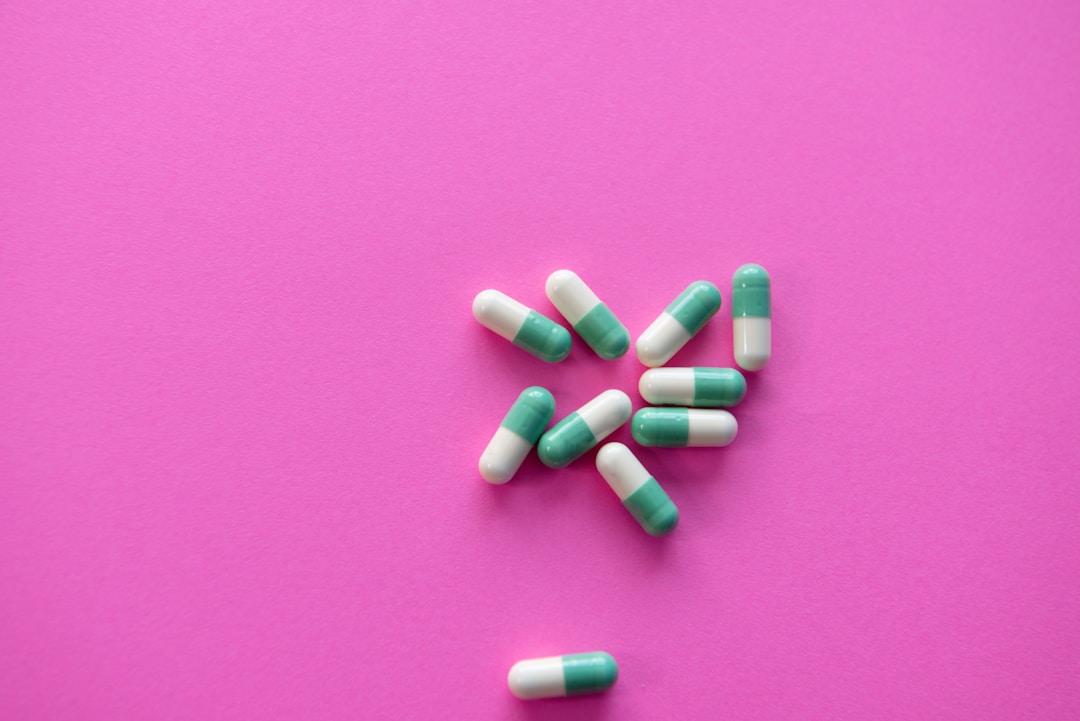
You may be thinking to yourself, “wait, isn’t E. coli bad?” You’re not wrong; certain strains of E. coli can be very dangerous and can cause dangerous bouts of diarrhea that can leave a person dehydrated and even dying. However, other E. coli are always present in the human microbiome, as well as the microbiome of many animals. This is another example of the difference between a contaminant (or “bad bacteria”) and a useful microbe (or the “good bacteria”).
It’s strange to think that biochem professionals make antibiotics like penicillin that fight bad bacteria by using good bacteria. This form of industrial fermentation is similar to the one described above, but it differs significantly, and that has to do with batch fermentation. Think about it; you don’t want an ongoing batch of penicillin hanging around a laboratory, the way a sourdough starter lives in your closet or kitchen counter forever, right? You want the biochem professionals to take purification and contaminants seriously and remake that batch every time. The good news is that this is exactly what is done. Batch fermentation means that each time a batch of penicillin or a similar medicine is made, they start fresh with a new batch. This way, all variables are taken into account, and we can all be certain that any pills that make it to your pharmacy are completely free of contaminants.
Fermentation can sound complicated, but it doesn’t have to be. You don’t have to be a biochem major to understand the basics of this process. It’s exciting to think about how the new approaches in biochemical engineering are working alongside age-old techniques like fermentation to take both food and medicine to the next level.
How Does Industrial Fermentation Work at Scale?
At an industrial scale, industrial fermentation relies on large stainless-steel bioreactors that carefully control temperature, oxygen, and pH so microorganisms can convert raw feedstock into the target product consistently, batch after batch.